
ACCA Syllabus Explained: A Complete Guide for Students in Nepal

Every year, thousands of Nepali students consider professional accounting qualifications, yet many delay their decision because the acca syllabus feels unclear. Students worry about difficulty, exam pressure, and whether they are capable enough. Meanwhile, parents worry about time, cost, and whether the qualification leads to stable work.
These concerns are valid. ACCA is a demanding professional qualification. Still, it is also one of the most structured and transparent programmes in global accounting education. The acca syllabus follows a clear progression, starting from basic business knowledge and moving towards professional judgement. Nothing appears suddenly. Each level prepares you for the next.
This guide explains the syllabus in detail, how exams work, how long it takes, and what students gain at each stage. It is written to remove confusion and replace it with clarity.
Key Highlights:
- The ACCA syllabus has three structured levels
- Progress happens one stage at a time
- The ACCA degree is globally recognised
- An ACCA study hub supports steady preparation
Understanding the ACCA Syllabus Structure
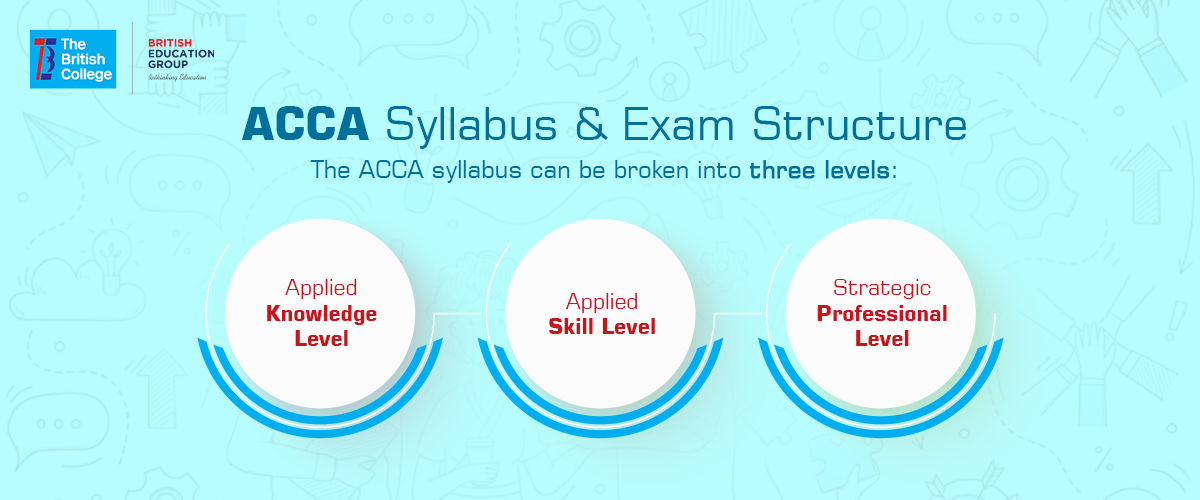
The ACCA syllabus is divided into three levels, each designed with a specific learning goal. This structure matters because it prevents students from being overwhelmed early on. You do not jump into advanced finance without preparation. You earn your way forward.
For students, this creates predictability. You know what you are studying and why. Progress is measured through internationally regulated exams.Students can study full time or part time. The syllabus remains the same. Only the pace changes. The three levels of the acca syllabus are Applied Knowledge, Applied Skills, and Strategic Professional.
Applied Knowledge Level Subjects
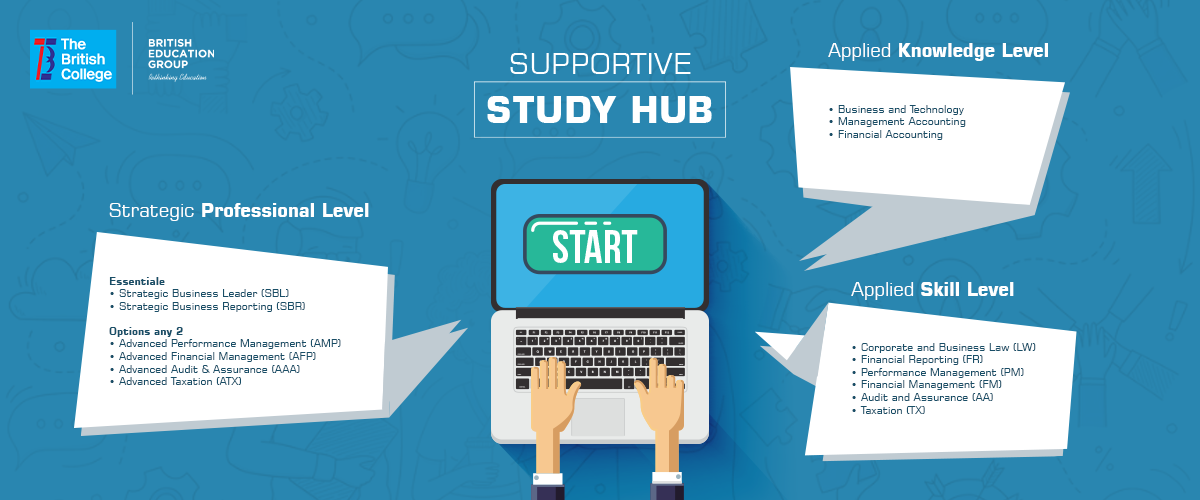
This is the entry point of the ACCA syllabus. It builds a foundation in accounting and business. Subjects include:
- Business and Technology
- Management Accounting
- Financial Accounting
Students learn how organisations operate, how costs are managed, and how financial statements are prepared. Exams at this level are computer-based and objective. Results are released quickly. This level builds confidence and reduces early fear.
Applied Skills Level Subjects
The Applied Skills level shifts the acca syllabus from understanding to application. Students begin solving practical problems. Subjects include:
- Corporate and Business Law
- Performance Management
- Taxation
- Financial Reporting
- Audit and Assurance
- Financial Management
This level often marks a turning point. Students begin to feel like accounting professionals rather than learners. Most of the students also begin internships or entry-level finance roles during this stage, as the acca degree already signals strong technical training.
Strategic Professional Level Subjects
The Strategic Professional level is the final stage of the acca syllabus. It focuses on leadership, professional judgement, and ethical decision-making. Subjects include:
- Strategic Business Leader
- Strategic Business Reporting
Students then choose optional subjects such as Advanced Financial Management or Advanced Performance Management, depending on career goals. This level prepares students for senior roles in finance, audit, and management. It tests analysis, communication, and ethical decision-making.
Detailed Learning Focus Across ACCA Levels
Students often fear the size of the acca syllabus. Understanding the learning focus at each level reduces that fear. Parents also feel calmer when they see a structured system that builds competence over time.
Knowledge Level Learning Focus
This stage builds understanding. Students learn how accounting works and why it matters. The goal is not speed or memorisation. The goal is clarity. Students learn
- Basic financial principles
- Cost behaviour
- Business structures
The aim is understanding, not speed. If you feel anxious, this stage helps you build confidence without pressure from complex case questions.
Skills Level Learning Focus
Here, students apply knowledge to structured problems. They analyse information, choose methods, and justify answers. Students analyse scenarios involving:
- Financial reporting standards
- Performance management tools
- Law and taxation rules
You learn to apply rules to real situations. This shift is where many students feel the acca syllabus becomes more practical and career-focused.
Strategic Level Learning Focus
At this stage, there are fewer rules and more judgement. Students must decide what matters most in a situation and explain why. The Ethics and Professional Skills Module supports this by strengthening communication, ethics, and workplace behaviour. Employers value these skills as much as technical ability.
Quick Tips to Stay Consistent:
- Plan exams at least two sessions ahead
- Study one paper at a time
- Practice past questions early
- Track progress honestly
- You can also find free ACCA notes, lectures, and notes. Click Here
ACCA Exam Pattern and Assessment Method
The ACCA exam system follows a consistent global model. Exams take place across several sessions each year, allowing students to plan attempts based on readiness rather than pressure.
Many papers use computer-based testing, while others involve written case analysis. Results are published within weeks, which allows students to plan their next paper without long delays. This quick feedback cycle helps students stay motivated and organised.
Most papers require a 50 percent pass mark. There is no ranking or curve. Students either pass or resit. Resits are common and accepted within the ACCA system.
How Long Does It Take to Complete the ACCA Syllabus
Duration depends on pace and exemptions. The acca syllabus allows flexibility, which helps students who need time to adjust or who want to work alongside study.
Full-Time Students
Students who study full time often complete the qualification within three to four years. Exemptions from prior study may reduce this time.
Working Students
Students who work alongside study often take four to five years. Flexible exam scheduling and guidance from an acca study hub help working students maintain progress without burnout.
Career Options After Completing the ACCA Syllabus
The acca degree supports careers across accounting, audit, tax, and finance. Parents often focus on job safety and stability. Students often focus on growth and global recognition. The qualification supports both.
Career Options in Nepal
Graduates commonly work as accountants, audit associates, finance officers, and tax consultants. Banks, audit firms, and corporate organisations recruit ACCA students even before full completion, especially after the Applied Skills level.
Global Career Pathways
The acca degree is recognised in over 180 countries. Graduates work in the UK, the Middle East, Australia, and Southeast Asia. Many progress into senior finance and management roles after gaining experience.
Role of an ACCA Study Hub in Student Success
An acca study hub provides structure beyond self-study. It helps students manage time, practise consistently, and stay accountable. Students benefit from guided study plans, tutor feedback, peer discussion, and exam-focused practice. Parents value the discipline and academic monitoring such hubs provide. For many anxious students, this support makes the difference between quitting and completing the qualification.
Common Misunderstandings About ACCA
Many fears come from myths. Clearing them early helps students avoid stress.
Is this only for toppers?
No. The acca syllabus rewards consistency more than rank. A steady study routine beats last-minute cramming.
Does ACCA need strong maths?
No. Basic arithmetic helps, but the core skill is logical thinking. Exam practice improves speed and accuracy.
Is ACCA Right for You?
The acca syllabus is structured, global, and predictable. It does not test memory alone. It tests understanding, application, and judgement. Students who understand the structure feel more confident. Parents gain assurance through global recognition and clear career outcomes.
If you want a qualification that builds skills step by step and offers international mobility, the acca degree is worth careful consideration. Review the syllabus, plan your pace, and seek guidance early. Clear planning reduces stress and improves results.
Frequently Asked Questions
What is the hardest ACCA subject?
Difficulty varies by student. Many find advanced papers challenging due to case analysis. Strong preparation and exam-style practice reduce difficulty over time.
Is ACCA harder than CA?
Both qualifications require commitment. ACCA focuses on global standards and application. The better choice depends on your learning style and where you want your career to go.
Why is the ACCA pass rate so low?
Pass rates reflect exam discipline, not intelligence. Exams test application under time pressure. Students who practise exam questions early and often tend to perform better.
What is an ACCA degree equivalent to?
It is a globally recognised professional qualification accepted by employers and many universities for postgraduate progression, depending on entry criteria and country rules.
How does an ACCA study hub help students?
A study hub provides structure, mentoring, and peer learning. This improves consistency, reduces isolation, and improves exam readiness through guided practice.